Choosing a focus for your first coin collection
A first collection becomes easier to build when you can explain what belongs in it. Start with a boundary you can recognise, then leave room to change your mind.
Choose a question, rather than a shopping list
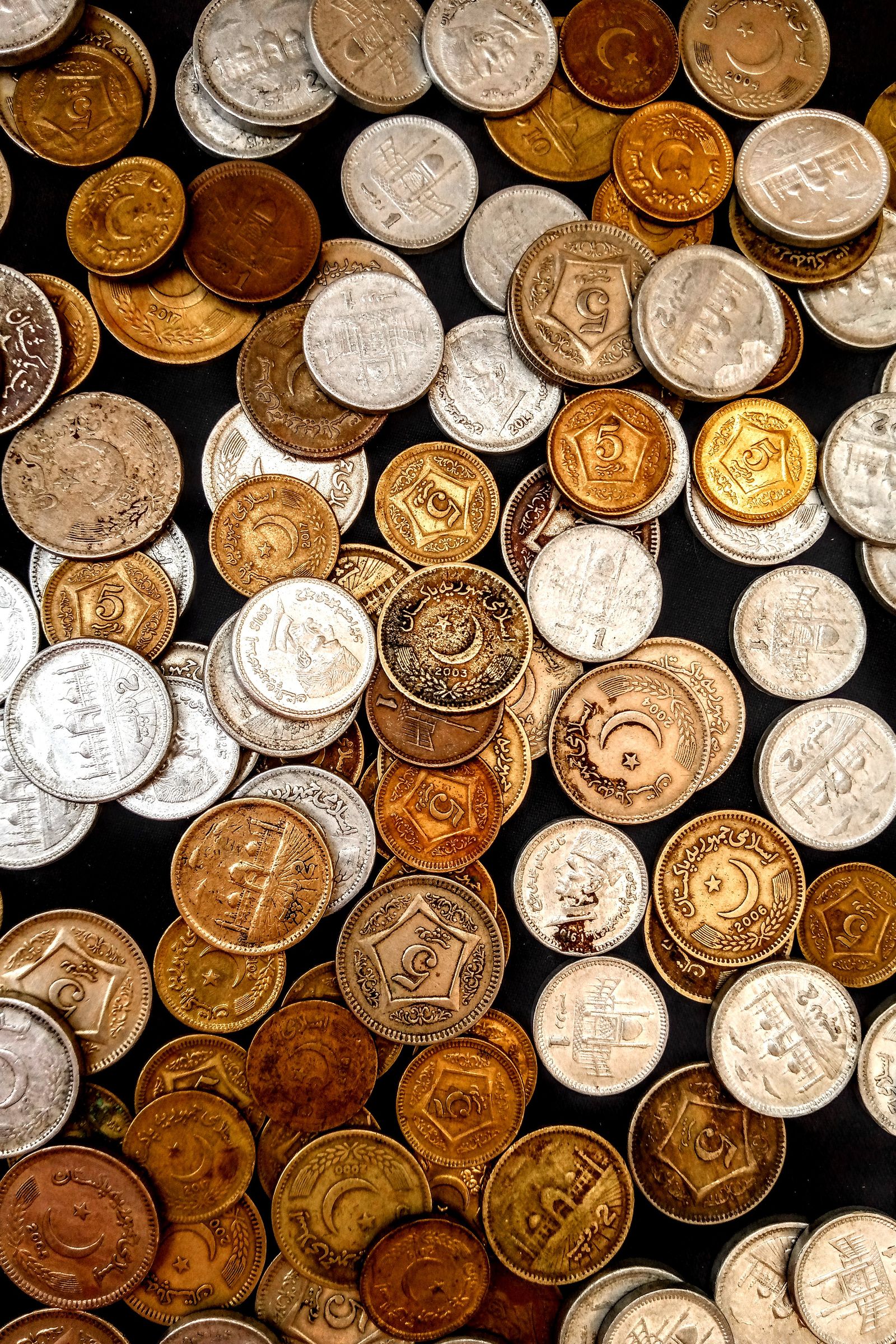
A collection might explore the coins used during a relative’s lifetime, the changing designs of one denomination, or animals pictured on circulating money. These are different projects. A date series needs a way to record dates and gaps; a design collection benefits from photographs and notes about motifs. Choose the question that makes you want to examine the next coin, rather than the one that seems most impressive in a display case.
Write one sentence defining the boundary. For example: circulating coins from places you have visited, with one example per country. Decide whether commemorative pieces, duplicates and damaged examples belong. This small decision prevents a cheap mixed lot from becoming a collection you never intended to make.
Try a small group before buying storage
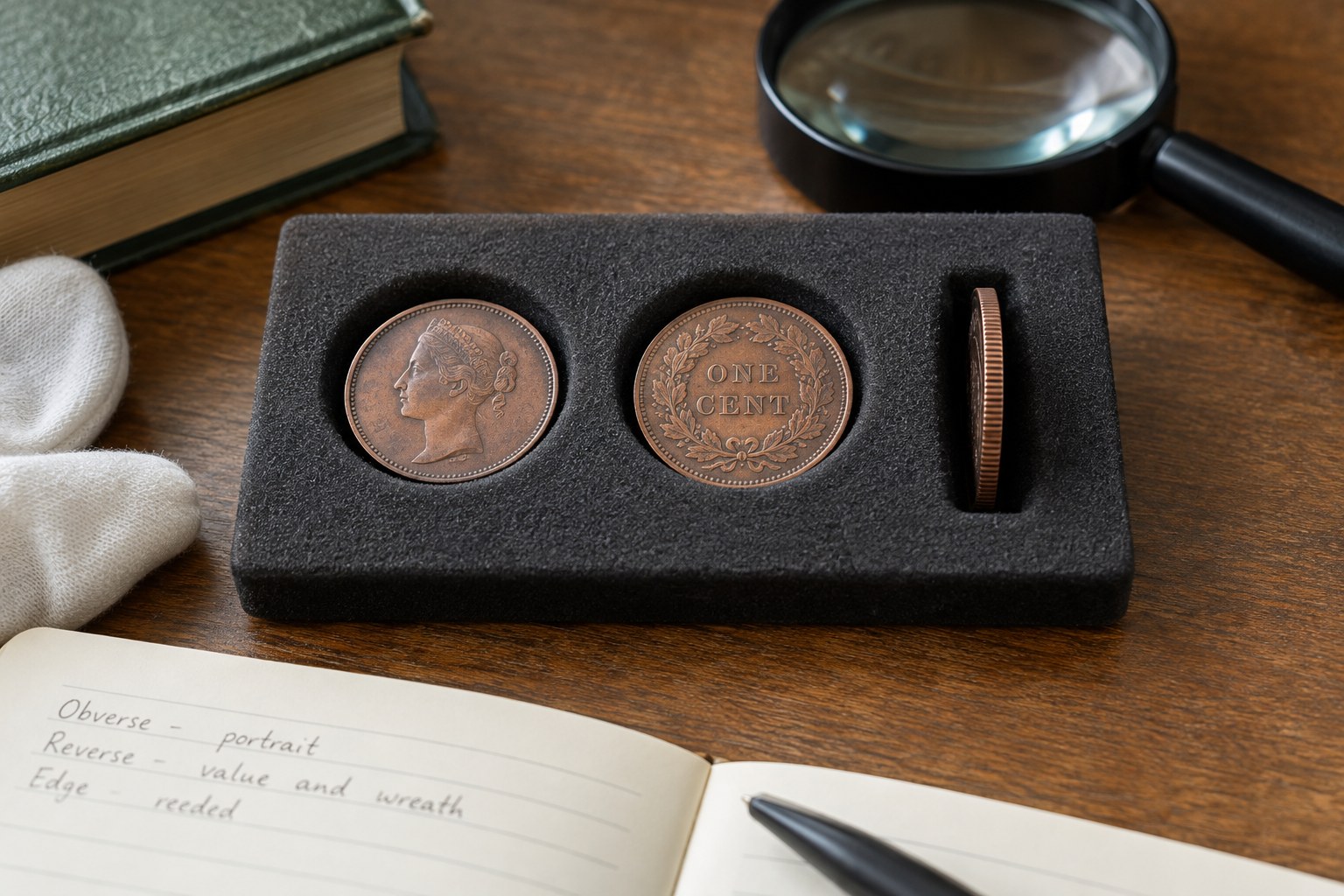
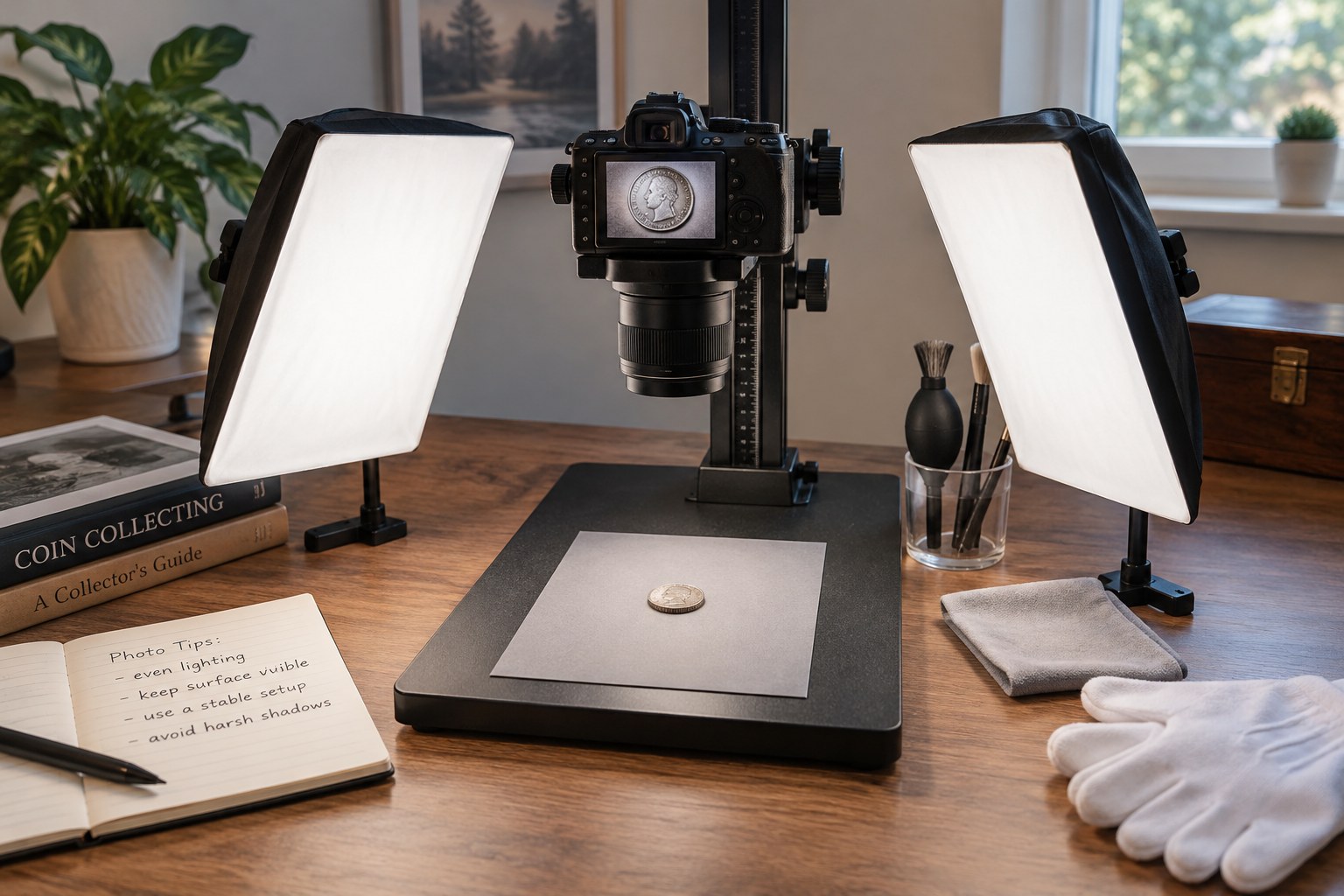
Gather a handful of suitable coins already available to you, or make a short prospective list. Record the country, denomination, date and any visible mint mark. Add a photograph and a note about what you cannot yet identify. Do not guess missing details to make the record look finished; uncertainty is useful information for a later comparison.
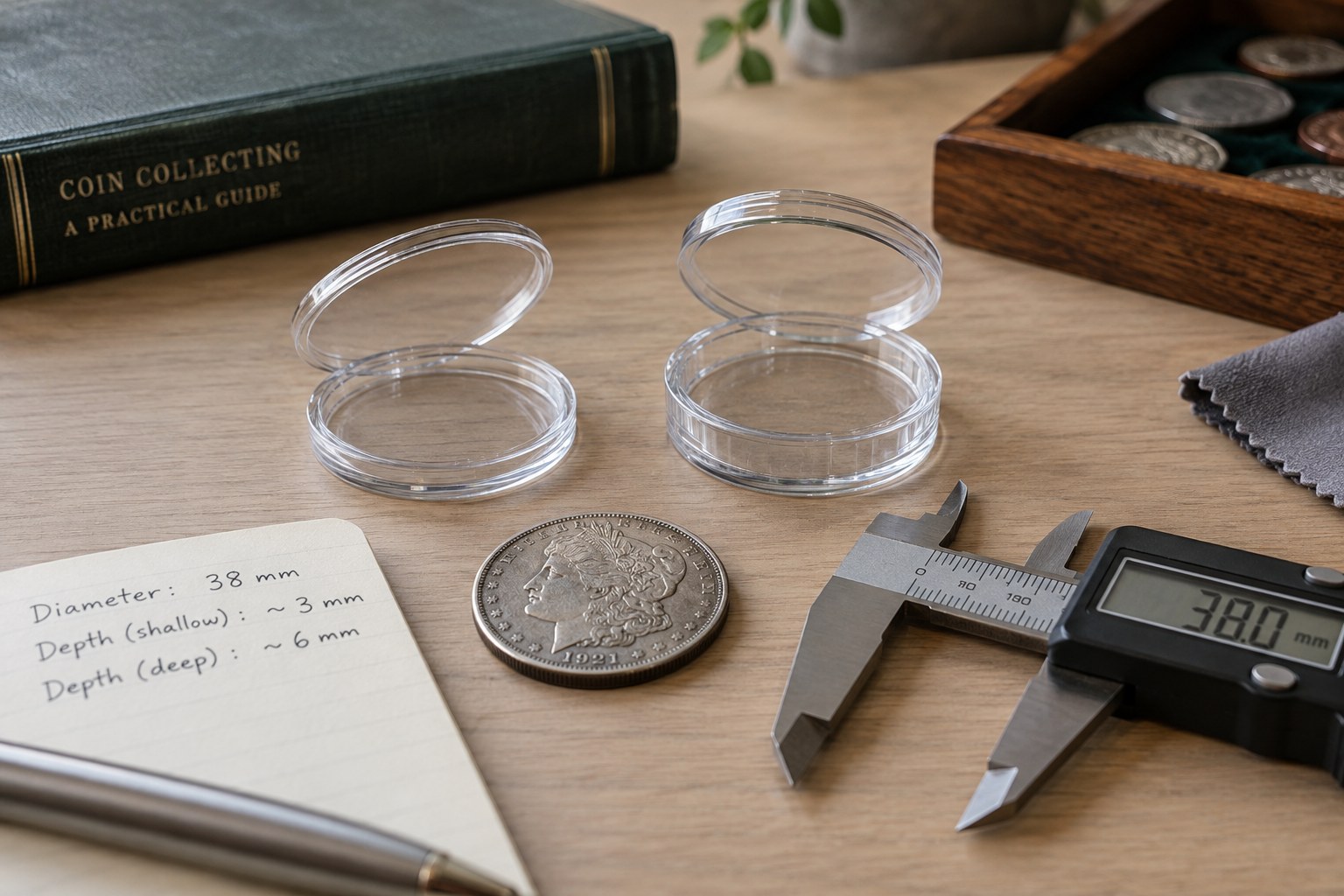
Measure the range of diameters and thicknesses before choosing holders. An album that suits one series may not accommodate another. Look for clear information about the materials touching the coin, and avoid forcing an example into an opening that is too small. A few appropriate individual holders can be more useful at this stage than a large, preprinted album with hundreds of spaces.
Set a limit that includes the less exciting costs
Allocate money for storage and delivery as well as coins. Decide what you are comfortable spending on a single learning purchase, and what would require a second opinion. An unfamiliar object offered cheaply is not automatically a bargain: poor photographs, an uncertain description or an unclear return arrangement can make it difficult to know what you are buying.
Keep a separate wish list. When a listing appears, compare it with that list and with the collection’s boundary before contacting the seller. It is perfectly reasonable to leave a gap. Completing a row of dates is not a reason to accept a specimen whose identity or condition you cannot assess.
Review the focus after the first few additions
Place the new pieces beside your original group and read your notes. Which details held your interest? Which purchases were made mainly because they were available? Adjust the boundary if necessary, recording the change rather than rewriting the history of earlier purchases. The result is a collection with a visible line of enquiry, even when it contains only a small number of inexpensive coins.